AdviceTech 2026: Six Shifts Every Advice Firm Should Plan For
A practical look at six major AdviceTech shifts shaping 2026, from embedded AI and hybrid advice to platform integration and real change management.
A practical guide for advice firms choosing AI for compliant file notes, advice documents, team workflows, and in-country based data handling.

AI is showing up everywhere in advice. Most of the noise is about meeting notes and transcription. Helpful, sure, but that is not the core of your business.
The real goal is higher quality advice delivered faster, with fewer errors and less admin drag on the team. Meetings are just one input. What matters is what your practice produces afterwards, including compliant AI file notes and advice documents, and how consistently you can do it across advisers and paraplanners.
This guide gives you a clear way to assess AI platforms in the Australian advice context, without getting pulled into feature bingo.
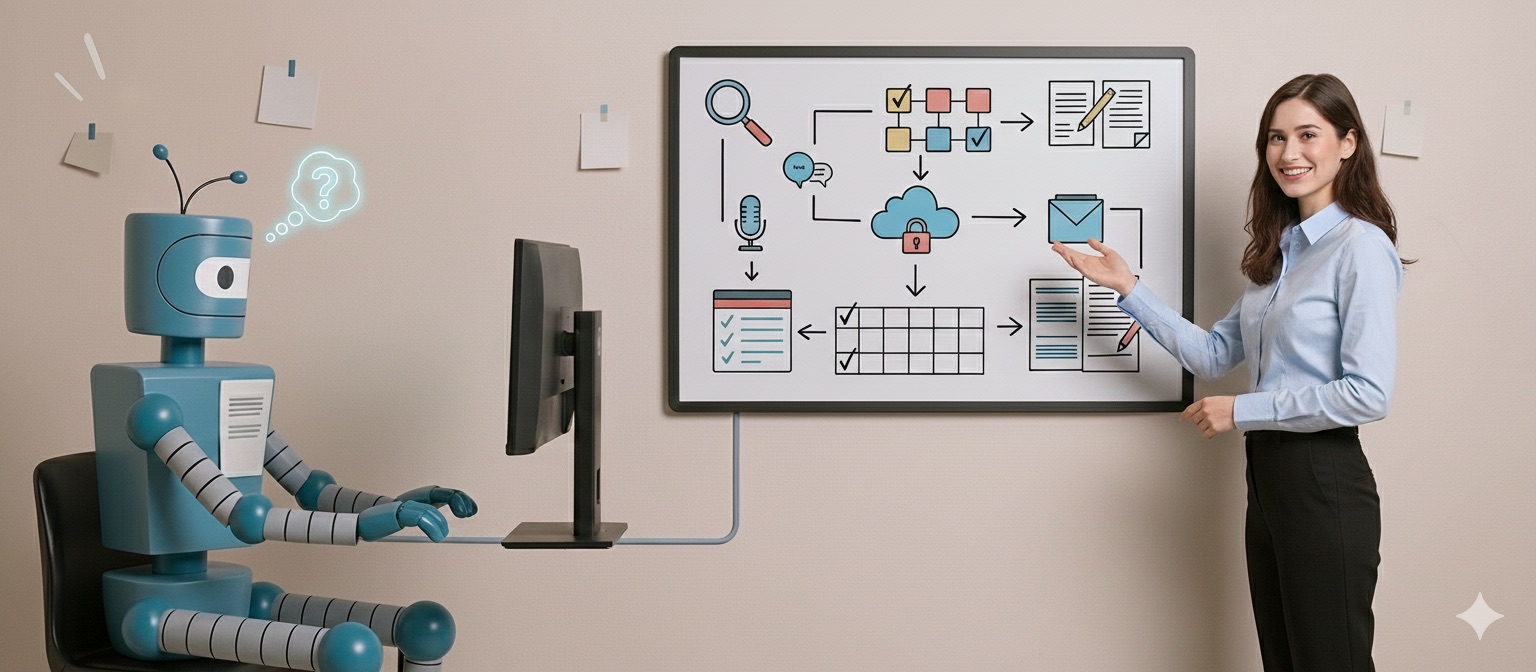
A client interaction creates a chain of work. If AI only helps with the first link, you still carry the heavy part.
What your team truly needs to produce is:
That is the work AI should be taking a meaningful bite out of.
In our experience, this is where the difference really shows. It is one thing to save an adviser 20 minutes. It is another to lift quality and consistency across a practice.
Look for a platform that:
Source cited drafting is not a gimmick. It reduces rework and makes review safer because you are not guessing whether the AI invented something.
This will not matter equally for every firm, but for most, standardisation is the difference between “nice tool” and “practice upgrade”.
Recording and transcription should be the input layer, not the end deliverable.
You want AI that turns raw conversation into:
If the output is still a generic summary you need to re write, you have not removed real load.
This sounds small until you live it. Formatting and rebuilding documents is a time sink that never gets counted properly.
Check whether it can produce:
If your paraplanner still has to spend an hour rebuilding an SOA shell, your “AI savings” evaporate.
Summarising a meeting is not the same as supporting advice development. Some platforms go further.
They can help you:
It is not about letting AI “decide the advice”. It is about giving you a sharper first draft that you can stand behind.
Advice is a team sport. If AI only supports the adviser, the bottleneck just moves to paraplanners or client service.
Evaluate whether it supports:
The best platforms make the whole chain faster, not just the first step.
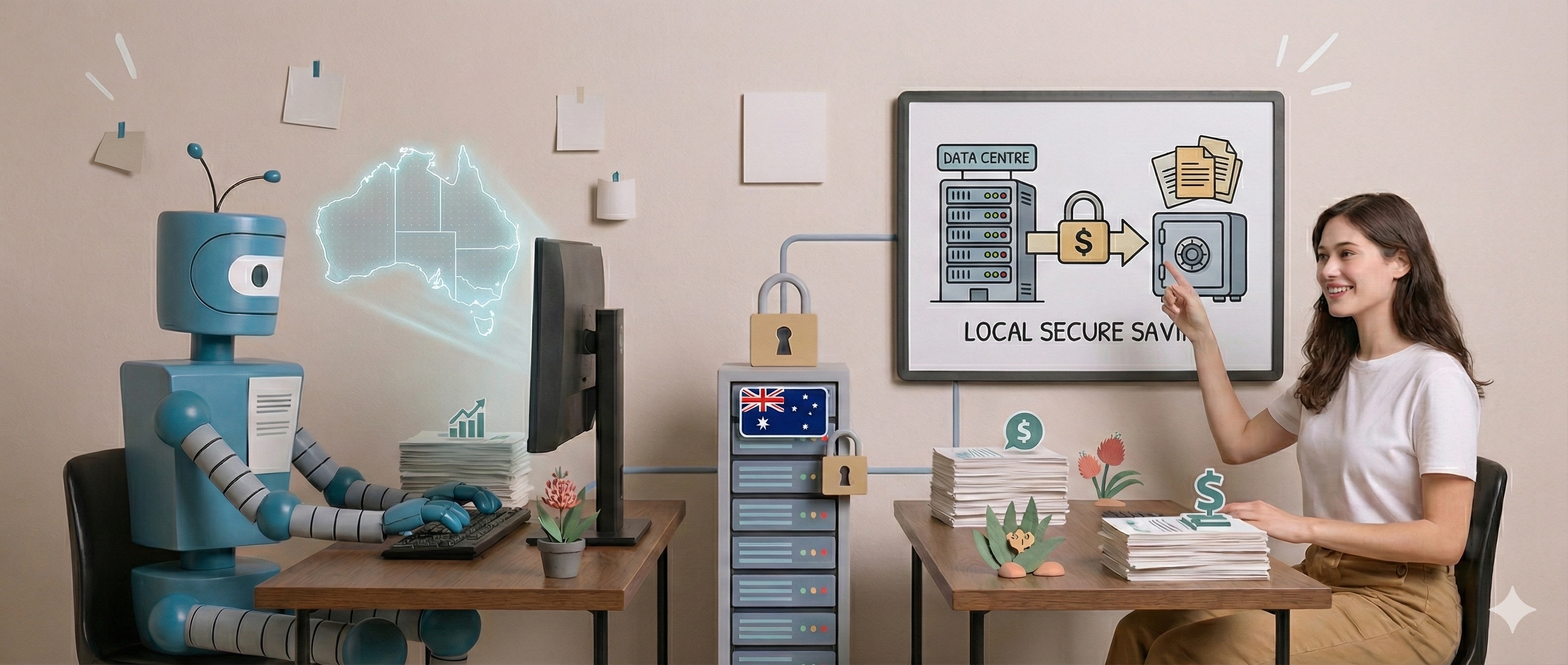
This matters because your obligations around client information are real, and regulators do not care that a vendor’s marketing page said “secure”.
Practically, you need to know:
If a platform cannot give you a straight answer, that is risk you are wearing, not them.
Keep it simple. If you see these, move on:
AI meeting notes are useful, but they are not the prize.
The right platform for a advice firm will:
That is what turns AI from a feature into a real capacity and quality lever.





See how advice firms are boosting capacity without compromising compliance or trust. Book a demo to see AdviseWell in action.